
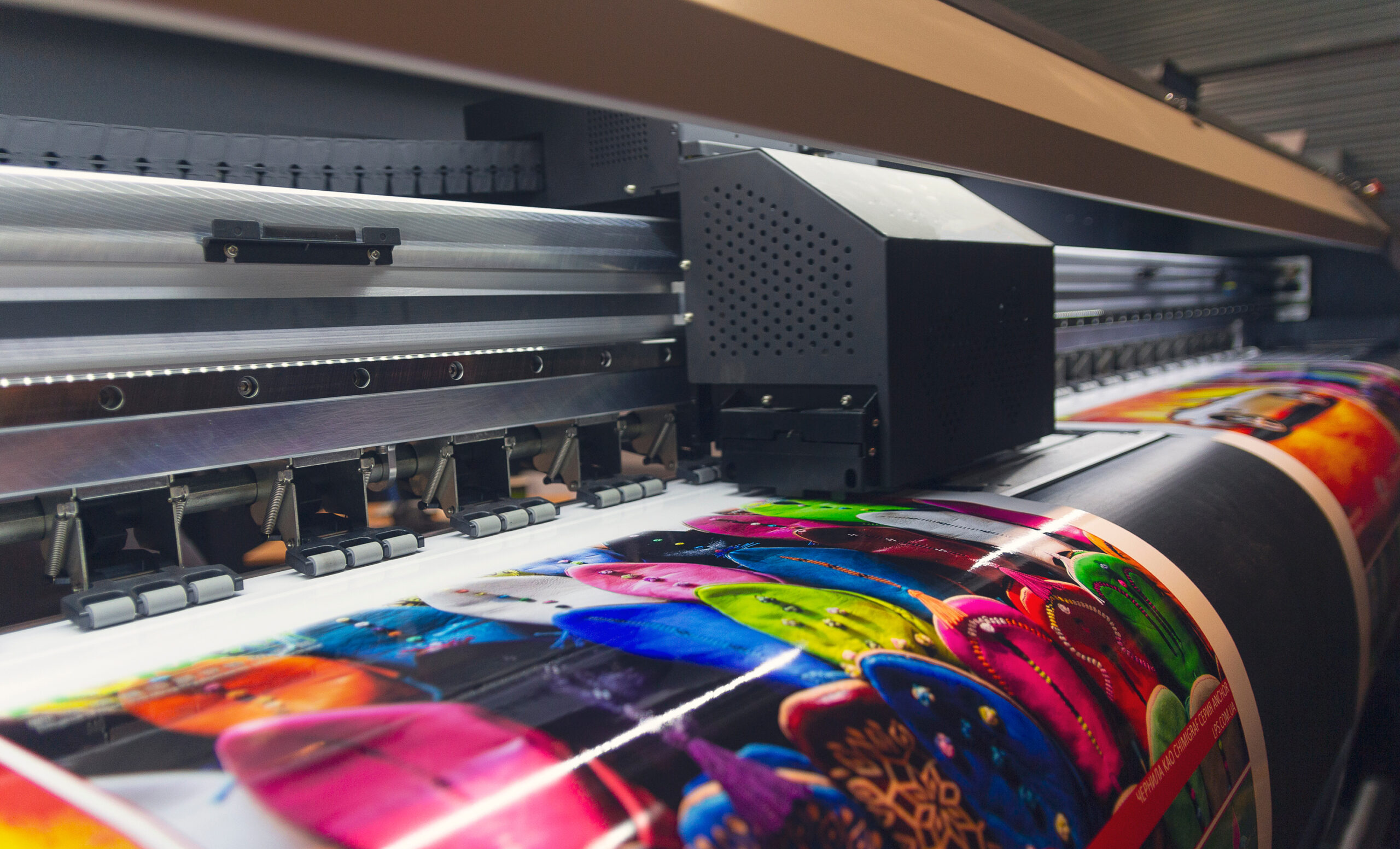
A Private Equity client engaged Virtas Partners to lead a manufacturing footprint optimization assessment for a recently purchased portfolio company – a multi-facility provider of specialized graphics, production, and installation services.
Client Need
Our PE client invested in the company in early 2025 as a platform in the visual communications and specialty graphics sector. The platform was built through more than two dozen acquisitions, resulting in over 20 independently operated production facilities across North America that had not been fully integrated. The company was approximately halfway through migrating all locations onto a common ERP system. In late 2025, the client completed an add‑on acquisition to expand capabilities and scale, intensifying the need for a cohesive footprint strategy. The company had developed targets including revenue growth of 28% to $700M+ in sales and adj. EBITDA growth of 460 bps to 26.1% margin over the hold period. To accelerate and maximize margin improvement, our client hired Virtas Partners to develop a facility rationalization road map and business case.
Tailored Solutions
- Designed a structured, phased approach focused on building the fact baseline required to evaluate consolidation opportunities across the company’s 20-facility North American footprint network
- Conducted site visits at 6 ‘receiving’ locations to assess capacity, operational constraints, workflows, and potential synergies across the network
- Issued a detailed data request and performed early‑stage analysis of facility‑level costs, 2026 baseline demand, and operating capacity
- Partnered with the company’s Finance team to allocate manufacturing overhead across all facilities, enabling comparative scenario modeling
- Developed preliminary rationalization scenarios and Rough‑Order‑of‑Magnitude (ROM) savings estimates to support an upcoming strategy meeting
Value to client
- Delivered multiple rationalization scenarios with ROM estimates, resulting in adj. EBITDA growth of up to 750 bps (290 bps better than plan) to a 29% exit margin; the increase to adj. EBITDA over the hold period was $50M, at an exit run rate of $20M greater than the original plan
- Established a robust current‑state understanding of operations, cost structure, and capacity across a fragmented facility network
- Provided capital needs, one‑time and recurring cost estimates, and time‑phased benefits to support informed investment and sequencing decisions
- Equipped leadership with data‑driven insights to better integrate the company’s recent add‑on acquisition and future-proof the platform’s operating model for additional organic and inorganic growth
Capabilities
- Private‑equity value creation planning
- Multi‑site operations assessment and footprint rationalization modeling
- Rapid facility‑level and machine-level data acquisition, synthesis, and capacity model development
- Executive‑ready financial and operational scenario development
- Alignment of PE sponsors, finance teams, and site leadership around a common strategic direction