

Middle-market deal sourcing is difficult when competition is high, sellers have choices, and capital providers expect a clear route to value. A promising target alone is rarely enough to win attention or close a transaction.
The pressure persists because buyers, advisers, and service providers compete for limited time in the same market. Better sales preparation may improve a process, but it can also make overlooked opportunities harder to find.
David Acharya, Managing Partner at Acharya Capital Partners, LLC, leads a New York City middle-market private equity group as an independent sponsor. His experience includes investment banking roles in New York and London, followed by platform investments and add-on acquisitions.
The sections below break down how an independent sponsor can pair disciplined underwriting with focused relationship building, practical value creation, and measured business development. The goal is to spend limited time and capital on opportunities that can withstand scrutiny.
How an Independent Sponsor Uses Flexibility Without Losing Rigor
An independent sponsor raises capital on a deal-by-deal basis rather than investing from a committed fund. That flexibility can support selectivity, but it also requires a process that gives sellers and capital partners confidence before a transaction is signed.
Capital follows a credible opportunity
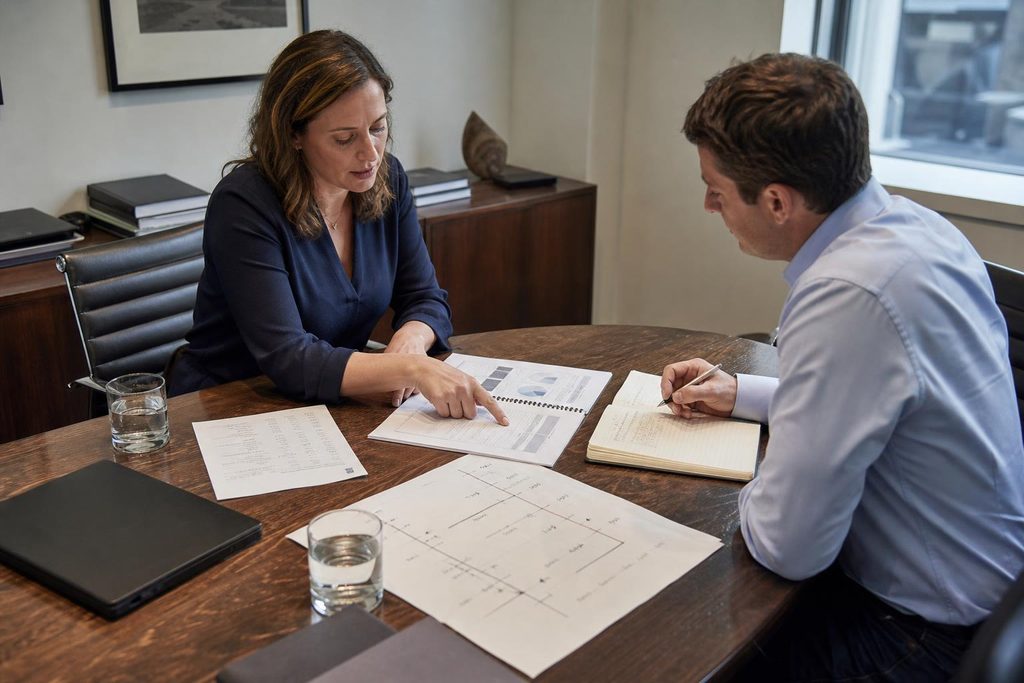
A strong opportunity begins with more than an indication of interest. It needs a clear investment case, a realistic view of risk, and a practical plan for what changes after closing. A relevant track record, capital support letters, and established investor relationships can help show that financing is attainable.
Process discipline replaces assumptions
Operating without a committed pool of capital does not remove the need for institutional habits. Regular pipeline reviews, a CRM, and documented diligence help keep sourcing activity from becoming reactive. They also make it easier to evaluate which relationships and channels are producing useful opportunities.
Financial runway supports better decisions
The model can create pressure because compensation may depend on completing a deal. Personal and operating runway gives a sponsor room to decline weak opportunities instead of pursuing them simply to generate fees. That patience can protect both the investment case and the sponsor’s reputation.
- Define acquisition criteria and a post-close value creation plan.
- Build capital-provider relationships before a live process begins.
- Set a realistic personal and operating runway for sourcing work.
This readiness check distinguishes flexibility from improvisation. It gives potential partners a clearer view of how a sponsor will move from early interest to a financed, executable transaction.
Deal-by-deal capital becomes an advantage only when the underlying process is as rigorous as the opportunity demands.
Lead With a Value Creation Plan, Not a Financing Story
Financing matters, but it should not be the center of an acquisition case. Sellers and capital partners need to understand how the business can improve after closing and why the proposed plan fits the company’s operating reality.
Start with the operating opportunity
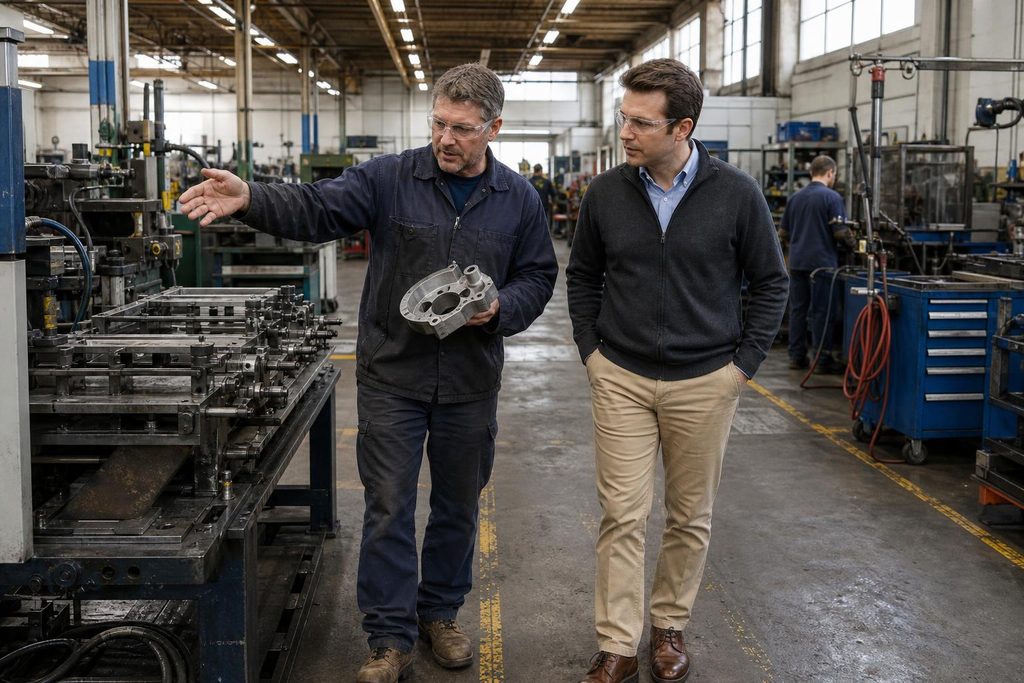
A useful plan identifies the platform’s strengths and the specific levers available to build on them. Depending on the business, those levers may include organic investment, new products or services, new offices, or complementary acquisitions. The case should connect those actions to the company rather than apply a generic playbook.
Sequence the work after close
Not every improvement can happen at once. Stronger plans establish what must be stabilized first, what can be expanded next, and which initiatives depend on management capacity or added investment. Sequencing prevents an attractive idea from becoming an unrealistic operating agenda.
Match leadership to the company’s scale
Management quality can determine whether an investment thesis becomes operational progress. A leader used to a large corporate infrastructure may not automatically fit a smaller company, where decisions about vendors, systems, and staffing remain close to the business. The leadership question belongs in the investment case from the start.
- Identify the platform’s durable strengths before proposing change.
- Prioritize initiatives by timing, cost, and leadership capacity.
- Address manageable risks through structure and post-close actions.
A concise screen keeps diligence focused on work that can create value. It also prevents a buyer from confusing a well-funded transaction with a well-designed investment.
The closing test is whether the plan explains how the company can grow after close, not merely how the acquisition can be financed.
Build Deal Flow Around the People Closest to Transactions
Broad networking can consume time without producing a meaningful pipeline. More useful business development centers on people closest to active opportunities, particularly advisers, owners, operators, and capital partners with a clear reason to connect.
Develop durable banker relationships
Small and boutique M&A firms can be valuable sources of deal flow, especially when a sponsor’s investment criteria are clear and memorable. A consistent relationship offers more context than a one-time introduction and makes it easier for a banker to recognize a potential fit.
Make events deal-led
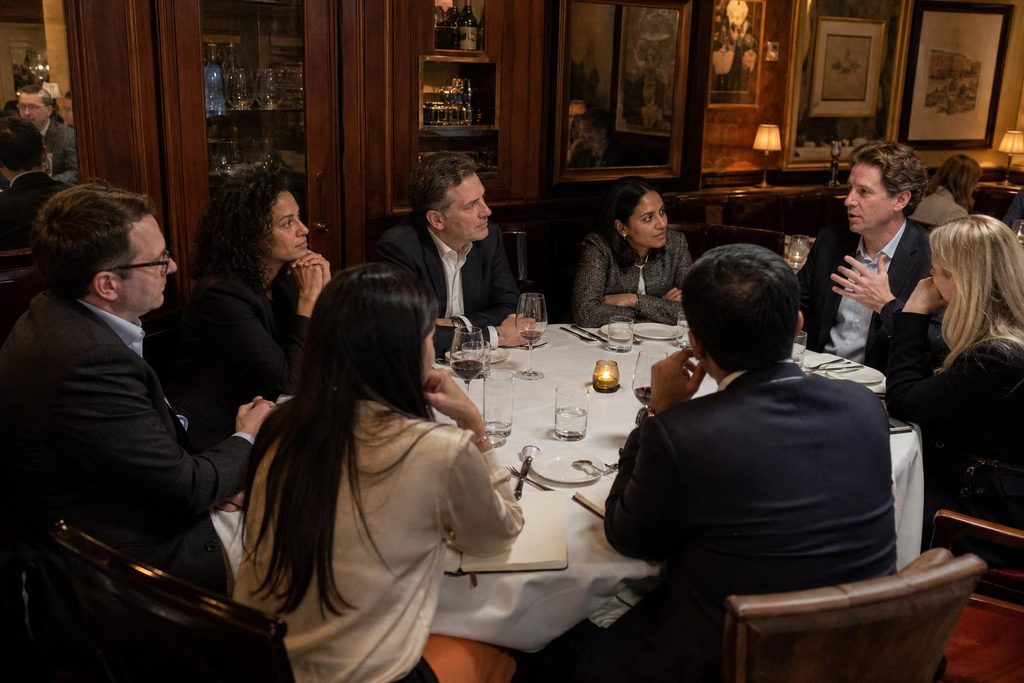
The highest-value gatherings bring relevant buyers, advisers, and potential opportunities into the same room. A curated breakfast, lunch, or dinner can be more productive than a large event where attendees compete for attention with little fit or follow-up. The point is not crowd size but transaction relevance.
Give service providers a practical role
Professional advisers are essential once a transaction begins, but they cannot be hired without a deal. Providers stand out when they make a relevant introduction to a banker, owner, or operating contact rather than relying on a generic capabilities pitch. That approach connects their relationship-building effort to the sponsor’s immediate objective.
- Share a specific investment focus with trusted referral sources.
- Choose events based on relevant attendees, not crowd size.
- Follow up with a useful connection or a defined next step.
These actions turn relationship building into a repeatable sourcing system. They also respect the limited time of people whose first priority is finding, evaluating, or closing a transaction.
The strongest network is not the largest one. It is the one that repeatedly puts relevant opportunities and decision-makers in contact.
Measure Business Development and Underwrite Uncertainty
Business development has real costs beyond a registration fee. Travel, lodging, meals, sponsorships, preparation time, and follow-up all draw on limited resources, so the source of each opportunity should be tracked and reviewed.

Record where opportunities originate
A CRM or similar process can show whether opportunities came through banker relationships, direct outreach, referrals, or events. That record is more useful than relying on impressions after a busy quarter. It gives a sponsor evidence about where to invest the next block of sourcing time.
Evaluate the full cost of activity
An event may appear affordable until travel and time are included. Reviewing cost alongside meaningful meetings, relevant introductions, and active opportunities helps separate productive activity from expensive visibility. The same discipline applies to sponsorships and repeat attendance.
Test the downside before committing
Uncertainty can come from market conditions, changing assumptions, or the company’s own risks. A disciplined buyer examines whether the business has a future and identifies risks that can be addressed through transaction structure or operations. Broad economic conditions are harder to control, which makes clear downside work essential.
- Log the source of each opportunity and referral.
- Calculate event costs including travel and team time.
- Review follow-up, diligence progress, and risks before repeating an approach.
A post-event review creates feedback that improves the next sourcing decision. The same habit strengthens underwriting by making assumptions visible before they become expensive surprises.
Measured activity and careful downside work protect attention for opportunities where the sponsor can genuinely add value.
Conclusion
A durable independent sponsor strategy combines selective sourcing with the operating discipline expected of any serious investor. Flexibility matters when it supports better judgment, not simply faster decisions.
First, credibility begins with a prepared investment case, capital relationships, and enough runway to decline opportunities that do not fit. Those foundations make a deal-by-deal model more dependable for every party involved.
Second, value creation should lead the acquisition story. A sequenced operating plan and leadership suited to the company’s scale provide a stronger basis for diligence than financing alone.
Third, relationship building works best when it is tied to transaction relevance. Focused banker relationships, curated gatherings, and useful introductions create more value than broad but unfocused visibility.
To address the original sourcing challenge, sponsors should define their criteria, track meaningful channels, and concentrate time on contacts most likely to surface the right opportunity. That practical discipline helps an independent sponsor compete without chasing every deal.
Frequently Asked Questions
What is an independent sponsor?
An independent sponsor typically raises equity on a deal-by-deal basis instead of investing from a committed private equity fund.
Why does financial runway matter for an independent sponsor?
Runway can reduce pressure to pursue weak opportunities for near-term fees and allows more selective investment decisions.
What should a value creation plan include?
It should identify the company’s strengths, practical post-close initiatives, sequencing, management needs, and material risks.
How should service providers approach an independent sponsor?
A relevant introduction to a banker, owner, operator, or opportunity can be more useful than a generic services pitch.
How can an independent sponsor assess event ROI?
Track total cost, quality meetings, useful introductions, follow-up, and opportunities that move into active diligence.